


Si tiene consulta técnica, solicita más información sin compromiso. Ingresa los datos en el formulario y un asesor se pondrá en contacto contigo.
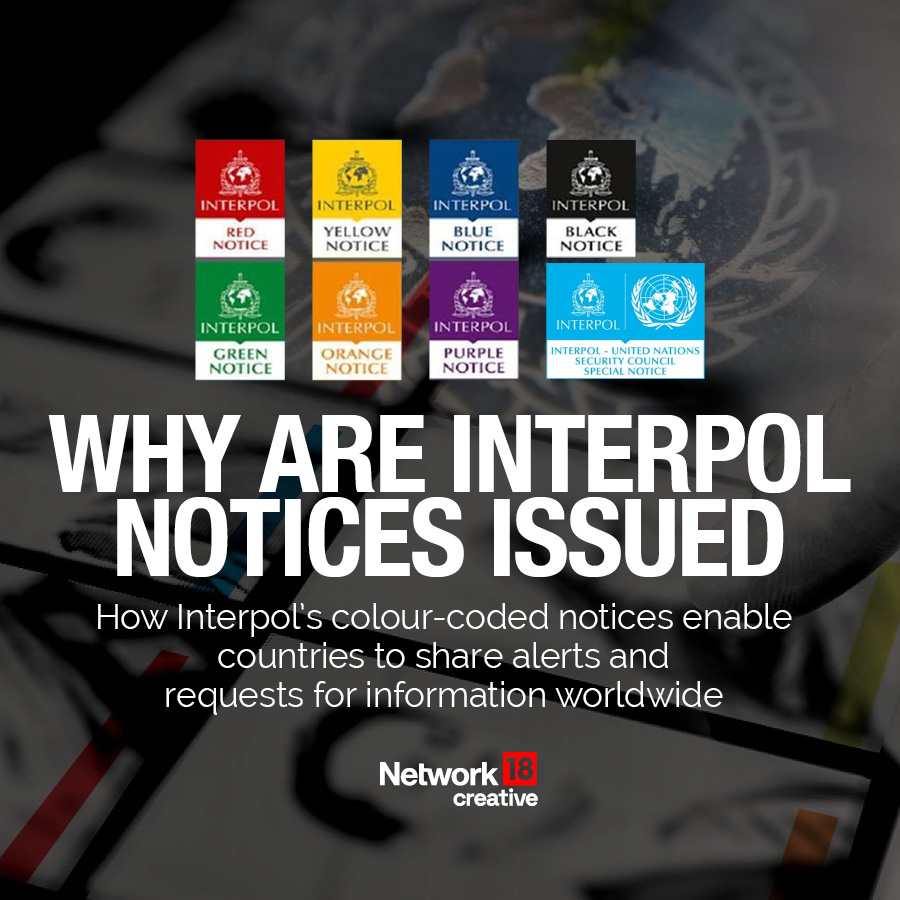
Interpol yellow notices are critical tools in the international effort to locate missing persons, particularly minors and vulnerable adults. These notices help law enforcement agencies collaborate across borders and ensure that alerts about missing individuals are disseminated widely. For further details and insights, refer to this information on Interpol yellow notices.

What Are Interpol Yellow Notices?
Interpol yellow notices serve as an important mechanism for soliciting assistance in locating missing persons, especially children, or to help identify individuals who are unable to identify themselves due to physical or mental incapacitation. Established under the framework of Interpol, these notices are shared with law enforcement agencies and other bodies across member countries.
The Purpose of Yellow Notices
The primary purpose of a yellow notice is to enhance the chances of finding missing individuals. These notices are not arrest warrants but are meant to locate and assist individuals in distress. In many cases, they are issued when law enforcement has reason to believe a person has been abducted or has gone missing under suspicious circumstances. Yellow notices may also be used to identify individuals who are incapable of identifying themselves due to various reasons, including age or health conditions.
How Yellow Notices Are Issued
The process for issuing a yellow notice begins with a request from a member country. Law enforcement agencies usually initiate this request, often following the disappearance of a minor or a vulnerable adult. The requesting country is responsible for providing detailed information about the individual, including physical descriptions, photographs, and the circumstances surrounding their disappearance.
Once created, the notice is circulated among all Interpol member countries. The information is made available to police forces, border agents, and other relevant agencies that could assist in the search for the missing individual.
Key Features of Yellow Notices
- Non-Discriminatory: Yellow notices are impartial and apply across all member countries, facilitating cooperation internationally.
- Privacy Protection: Details shared are treated with sensitivity, ensuring that personal information is safeguarded.
- Swift Response: Upon receipt of a yellow notice, law enforcement agencies can immediately begin their search efforts.
Examples of Usage
Throughout the years, yellow notices have played a crucial role in resolving missing persons cases. For instance, in cases of child abduction, yellow notices have been issued that allowed law enforcement to track movements across borders effectively. These notices have sometimes led to the quick recovery of children, demonstrating the efficiency of international collaboration in law enforcement.
Additionally, yellow notices are utilized for vulnerable adults who may suffer from conditions such as Alzheimer’s or other forms of dementia. When such individuals go missing, a yellow notice can provide crucial descriptive information that aids in identifying them when they might not have the capacity to communicate their identity.
Challenges in Issuing Yellow Notices
Despite their effectiveness, issuing a yellow notice can present challenges. One major issue is the need for timely information. The longer a person remains missing, the less likely they are to be found. Thus, prompt action by local law enforcement is paramount. Moreover, accurate and comprehensive details are essential for law enforcement agencies to act effectively.
Another challenge is the variability in laws and responses from different countries. While Interpol facilitates communication, the legal frameworks governing missing persons can differ significantly, impacting the speed and manner in which notices are acted upon. Some countries may have strict protocols that slow down the issuance of yellow notices.
The Role of Technology
In recent years, the advancement of technology has greatly enhanced the effectiveness of yellow notices. With the rise of social media and real-time communication, alerts can be disseminated rapidly. When yellow notices include images and descriptions of missing persons, these can be shared widely on various platforms, reaching a broader audience.
Moreover, tools such as facial recognition technology can assist law enforcement agencies in identifying individuals who match descriptions from yellow notices. This technological incorporation into traditional investigative methods provides an edge in drawing attention to and resolving cases of missing persons more swiftly.
Future of Yellow Notices
As the world continues to evolve, so too will the systems surrounding the issuance and management of yellow notices. The need for international cooperation remains as critical as ever, particularly in addressing the growing issues surrounding human trafficking and child exploitation.
Interpol continually seeks to improve the effectiveness of yellow notices through training, better data sharing practices, and encouraging member countries to enhance their cooperative efforts. Ongoing dialogue and feedback among member countries ensure that the protocols in place can adapt to new challenges.
Conclusion
Interpol yellow notices represent an invaluable resource in the ongoing fight against missing persons. By facilitating international collaboration, these notices help locate vulnerable individuals, ensuring that they receive the necessary protection and care. While challenges remain, ongoing advancements in technology and cooperation among nations present promising avenues for enhancing the efficacy and reach of yellow notices. Through vigilance and action, we can work towards ensuring that fewer individuals go missing and that those affected receive the support they need.